Choosing the Right Clamp-On Pallet Forks
Selecting the appropriate clamp-on pallet forks for your tractor requires careful consideration of several key factors. Improper selection can lead to decreased efficiency and, more importantly, safety hazards. Let's break down the crucial elements to ensure you make the right choice. For more information on 3-point hitch attachments, see this helpful resource: 3-point hitch info.
Weight Capacity: A Critical Consideration
The first and arguably most important factor is the fork's weight capacity. This refers to the maximum weight the forks can safely lift. Always choose forks with a significantly higher weight capacity than the heaviest load you anticipate handling. A safety margin is crucial. Don't underestimate this; exceeding the weight limit can lead to serious accidents and equipment damage. How much weight do you typically move with your tractor?
Fork Length: Balancing Reach and Maneuverability
Fork length directly impacts the size of the pallets you can handle. Longer forks allow for larger pallets, but they also reduce maneuverability, especially in tight spaces. Consider the dimensions of your typical pallets and the typical operating environment of your farm – how much space is available for tasks? Will you be working in confined areas?
Tractor Compatibility: Ensuring a Secure Fit
Before purchasing any forks, verify their compatibility with your specific tractor model. Different tractors have varying mounting systems, and an ill-fitting attachment can compromise both safety and performance. Always check the manufacturer's specifications for a perfect match. What specific mounting specifications does your tractor have?
Safety Features: Prioritizing Prevention
Prioritize safety features such as sturdy locking mechanisms, overload indicators, and secure clamping systems. These features significantly reduce the risk of accidents. Look for robust construction that shows durability and reliable components. Are your current safety protocols adequate to compensate for the inherent risks associated with clamp-on pallet forks?
Comparison of Clamp-On Fork Models (Illustrative Example)
| Feature | Model A | Model B | Model C |
|---|---|---|---|
| Lift Capacity (lbs) | 2000 | 3000 | 4000 |
| Fork Length (in) | 48 | 60 | 72 |
| Clamp Type | Single-Stage | Double-Stage | Hydraulic |
| Safety Features | Locking pins, overload indicator | Locking pins, safety chains | Locking pins, hydraulic brakes |
Safe Operation of Clamp-On Pallet Forks
Safe operation involves adherence to strict procedures and a commitment to prioritizing safety. Neglecting these procedures can have dire consequences. Let's outline a step-by-step guide to safe usage.
Pre-Operational Checks: A Necessary Routine
Before each use, perform a thorough inspection of the forks and the tractor's mounting system. Check for any signs of damage, including bent forks, loose bolts, or cracked welds. Even minor damage can escalate into significant safety issues. A detailed pre-operational checklist should be a routine part of your operation. What specific items are on your existing checklist? Ensuring your equipment is safe is critical.
Secure Attachment: The Foundation of Safe Operation
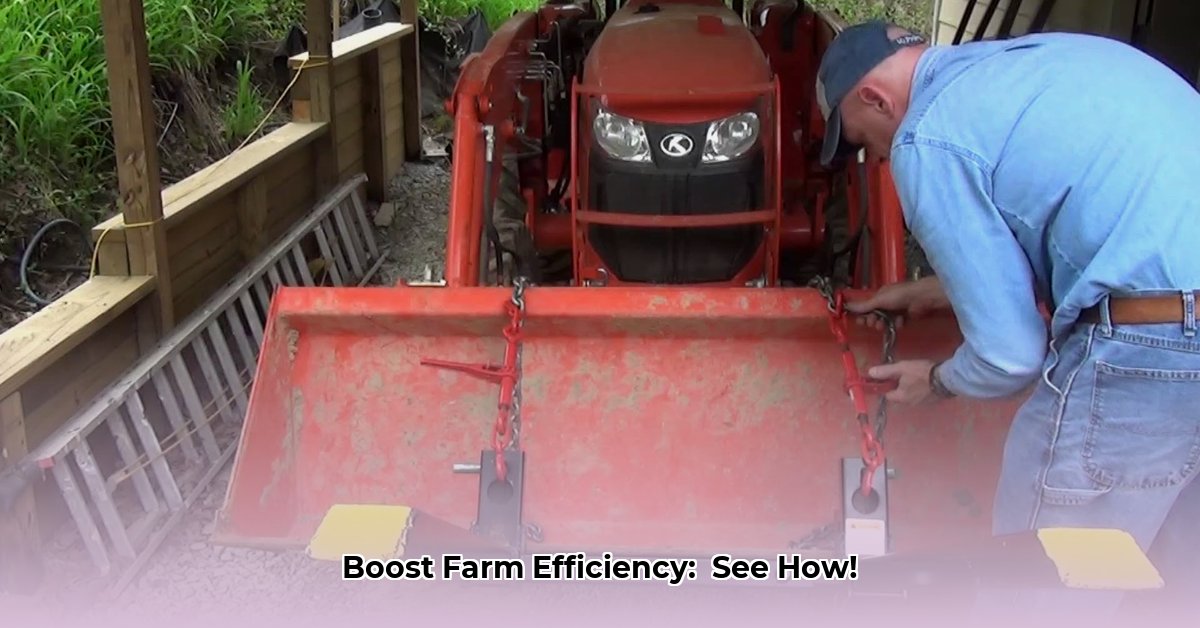
Follow the manufacturer's instructions precisely when attaching the forks to your tractor. Ensure a tight and secure connection that eliminates any possibility of slippage during operation. Rushing this step is risking potential injury and equipment damage. How much time do you currently allocate for this critical pre-operation procedure?
Load Handling: Centering and Weight Limits
Always center the load on the forks to prevent tipping. Never exceed the forks' weight capacity. Overloading is a primary cause of accidents and equipment failure. Use straps or chains for added stability when handling heavy or unstable pallets. Remember, even slightly exceeding the rated capacity can result in accidents; ensuring accurate measurement is crucial.
Movement and Maneuvering: Slow and Steady Wins the Race
Operate the forks slowly and cautiously, especially when turning or navigating confined spaces. Avoid jerky movements. Be aware of your surroundings and any potential obstacles. How many incidents of pallet damage or near-misses have occurred due to careless operation? Perhaps you need to revisit your operator training program.
Maintenance and Troubleshooting
Preventative maintenance is crucial to extend the lifespan of your clamp-on pallet forks and maintain safety. Regular inspections and timely repairs will minimize the risk of failures. Let’s explore some essential procedures.
Routine Inspection: Identifying Potential Issues Early
Regularly inspect the forks and clamps for wear, tear, or damage. Lubricate all pins and bolts to prevent seizing. Replace any worn or damaged parts immediately. Ignoring minor issues can lead to catastrophic failures. How frequently do you currently inspect your clamp-on forks?
Troubleshooting Common Problems: Addressing and Preventing Failures
Address any unusual sounds, binding, or other malfunctions promptly. Consult the manufacturer's manual for troubleshooting guides. Ignoring any issue can lead to costly repairs and potentially unsafe operations. A well-maintained system can significantly improve operational efficiency and safety.
Regulatory Compliance: Meeting Legal Requirements
Familiarize yourself with all relevant safety regulations and standards concerning the use of clamp-on pallet forks in your area. These regulations vary by jurisdiction. Compliance ensures you are operating legally and safely.
Conclusion: Maximizing Efficiency and Safety
By following these guidelines, you can maximize the efficiency and safety of your clamp-on pallet forks. Remember, proper selection, safe operation, and regular maintenance are paramount to achieving optimal performance while minimizing risk. Prioritize safety at all times.